Del Mar continues to emphasize safety, attendance and academic integrity everyday with a positive mindset. The student and family handbook, updated annually, includes key procedures such as attendance rules, dress code expectations, academic honesty guidelines and the closed-campus policy.
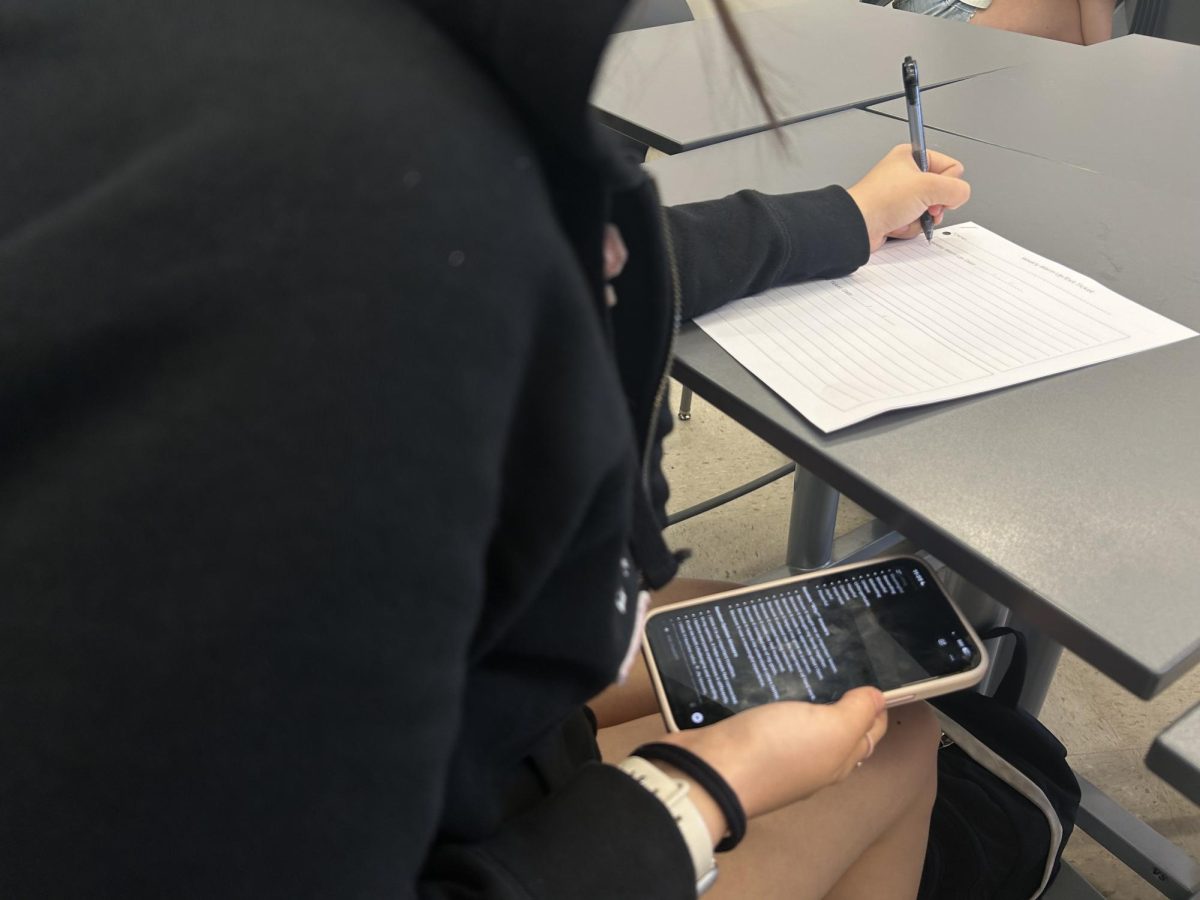
However, interviews with students and staff suggest that while the rules themselves are clear, not all students are familiar with the handbook’s contents or how those policies apply to everyday situations.
A student is considered truant if they are absent without a valid excuse 3 full days in one school year, or tardy or absent for more than a 30-minute period on 3 occasions in one school year.
In case of school attendance, junior Olivia Franco says “The 30-minute rule seems fair, but not everyone pays attention to it.
Franco noted that many students try to follow expectations, but may not always know all the details.
Del Mar’s attendance handbook emphasizes the importance of consistent school attendance. According to the policy, “All students are expected to attend school on time each day. Absences must be cleared within three days by a parent or guardian through the Attendance Office.”
The handbook also outlines that excessive absences or tardiness may result in parent conferences, Saturday School or referral to the Student Attendance Review Board (SARB).
A Science Department Chemistry teacher Abigail Nicholson said, “students generally understand the day-to-day expectations of being respectful, prepared and responsible, but may not always be familiar with the wider range of policies included in the handbook.”
She added that students often learn expectations as they arise in class, but may not read the handbook on their own. She also emphasized that understanding the purpose behind policies helps students internalize them.
“Even if it might be easier to take the shortcut and cheat, you’re actually doing yourself a disservice,” Nicholson said, explaining the importance of academic honesty.
Students say campus safety and climate have improved in recent years. Franco said she has noticed “fewer fights and disruptions,”. She believes the school’s efforts to maintain a positive environment have made students feel more secure.
Tierra said understanding the reasons behind certain rules, such as attendance and closed-campus procedures, can help students feel more confident and informed.
“It’s not just about discipline,” she said. “It’s about safety.”
Del Mar staff regularly use classroom announcements, digital newsletters and parent communication to remind students of key expectations.
These reminders are helpful but could be reinforced further by encouraging students to review the handbook at the start of the year and throughout each semester.
While students and staff agree that the school’s rules are designed to support safety and success, they also acknowledge that increasing awareness of the handbook could strengthen consistency and understanding across campus.
The handbook remains an important resource, one that many students say they hope to become more familiar with.
At Del Mar, the goal is shared: a safe, organized and supportive learning environment, strengthened by clear communication and community understanding of the policies that guide it.