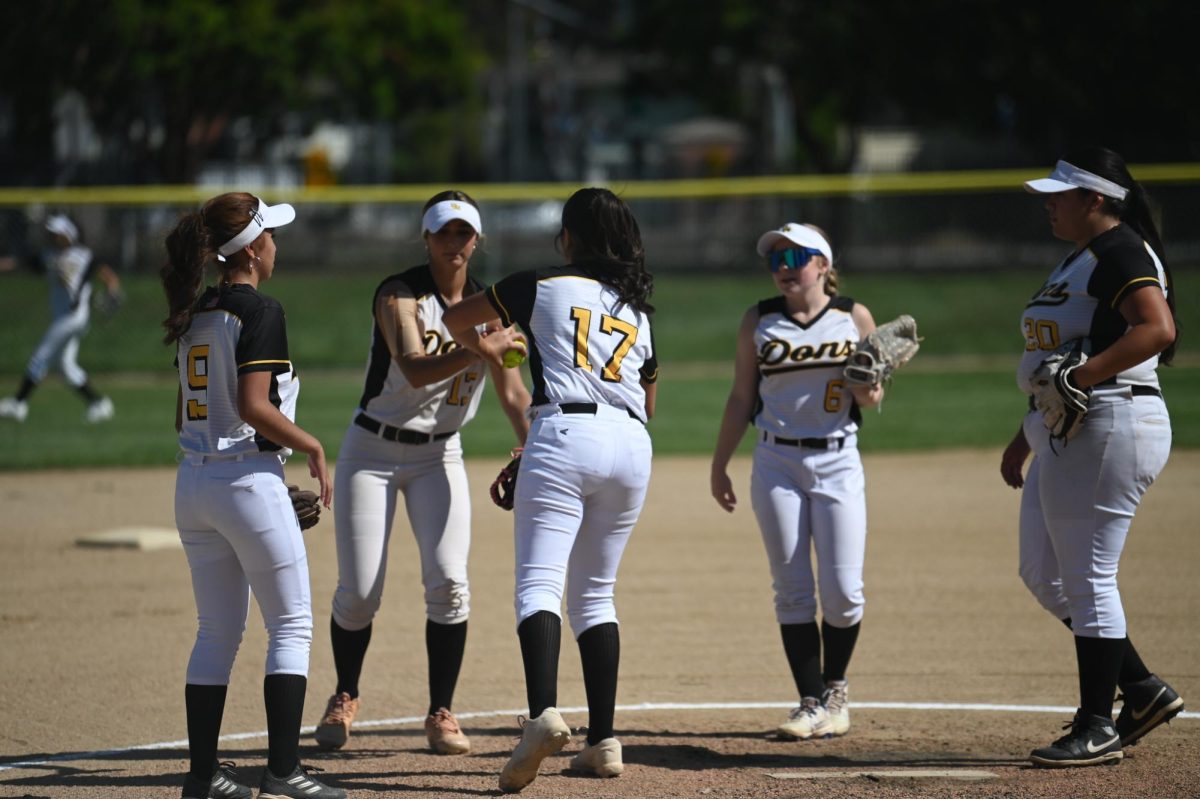
As the fall season winds down, many Del Mar athletes aren’t packing up their gear just yet. Instead, they’re shifting from one sport to the next, trading knee pads for sneakers, fields for courts, and one set of teammates for another. The transition from fall to winter sports marks one of the busiest times of the year for multi-sport athletes, balancing passion, rest and recovery.
At Del Mar, dozens of students take on the challenge of playing more than one sport in a single school year; a schedule that often leaves little time for breaks. With winter tryouts beginning in mid November, athletes who finish their fall seasons jump almost immediately into a new lineup of practices and games.
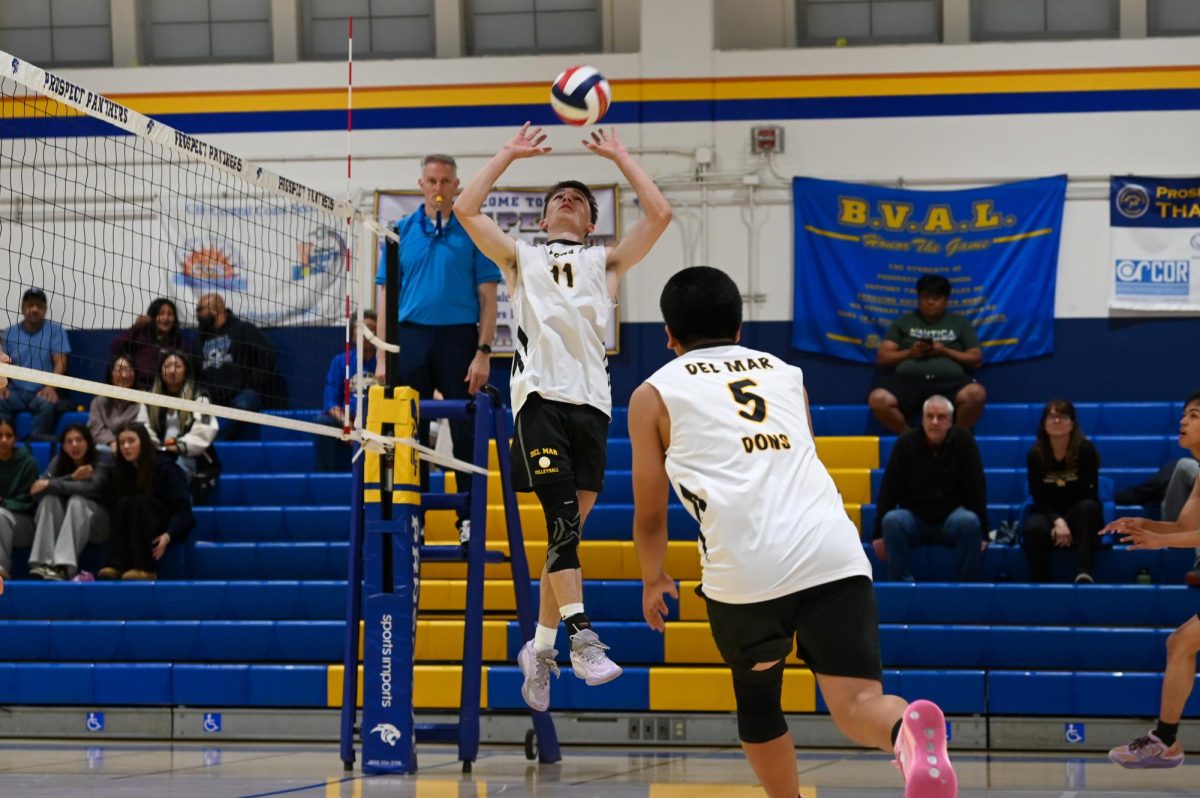
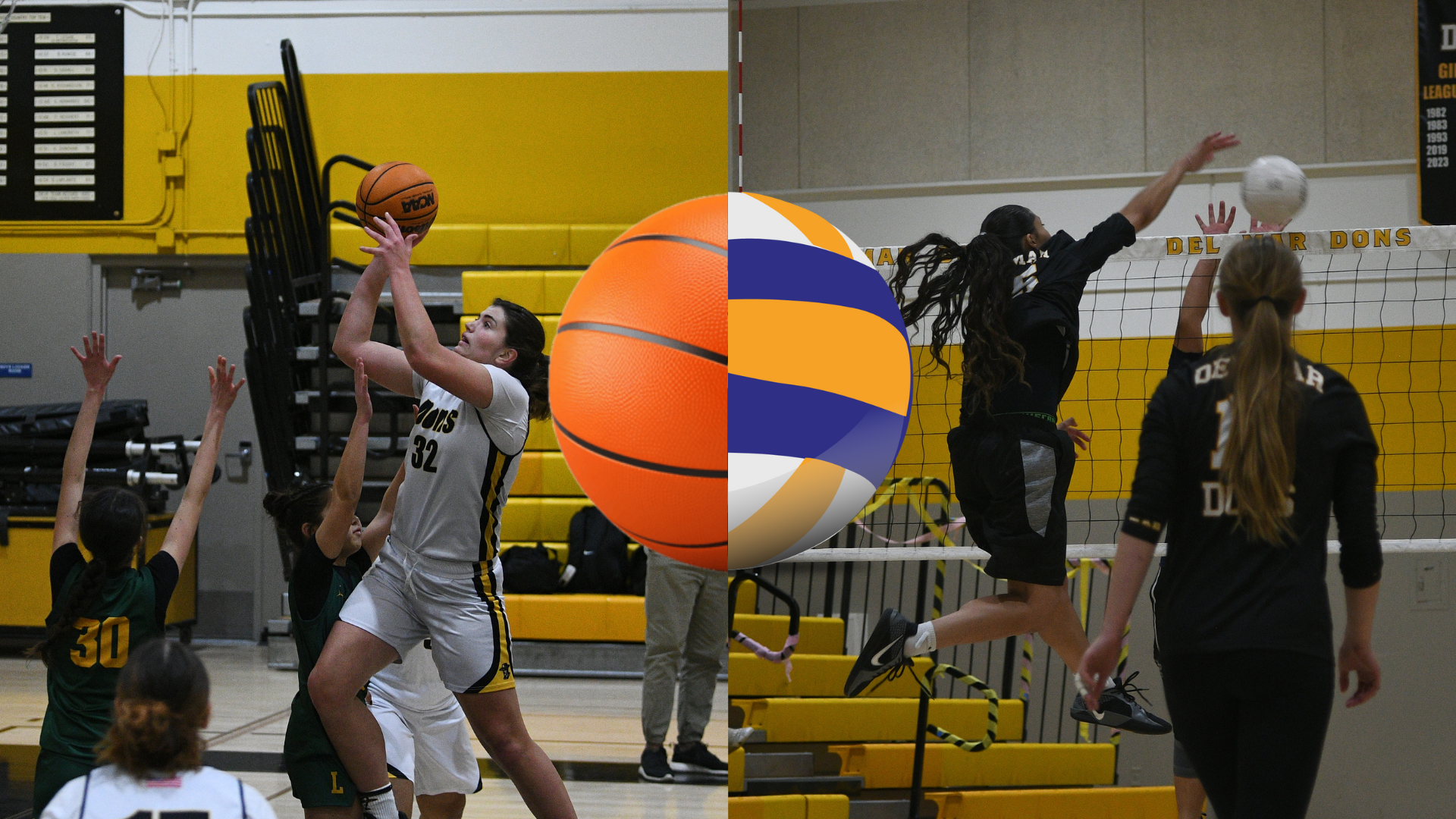
For senior Mailey Japlit, the change is nothing new. A four-year athlete in both volleyball and basketball, Japlit has spent her high school career mastering the art of switching seasons.
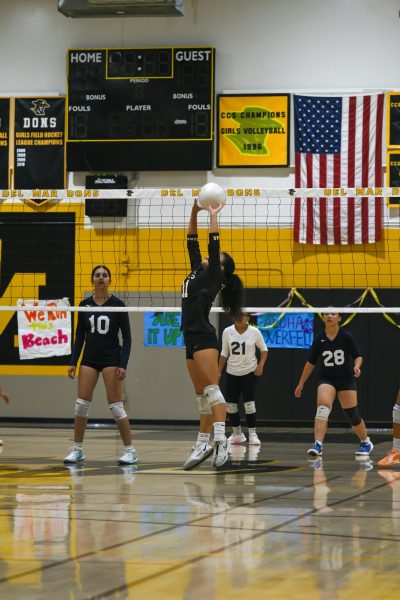
“I usually prioritize the season that I’m in,” Japlit said. “When I’m in volleyball, I try not to do too much basketball, because basketball is more physical and you’re more prone to injuries.”
That self awareness is key for athletes who go back-to-back between sports. With just about a week of rest between volleyball and basketball tryouts, Japlit makes sure to take full advantage of the short break.
“I definitely use that time to rest and recover,” she said. “Then I switch my mentality and start preparing for basketball.”
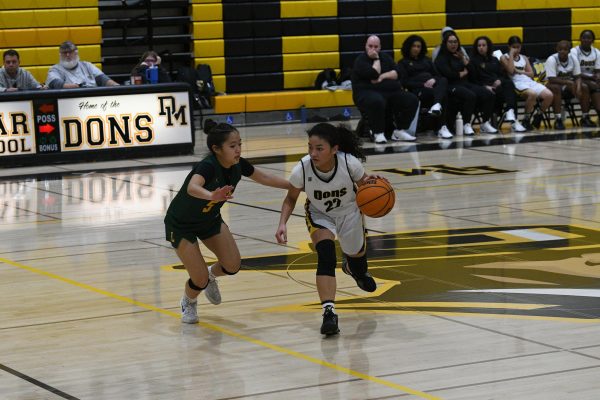
Volleyball requires quick reflexes and coordination, while basketball brings more endurance and contact. “I would say the hardest part is just the physicality between both of them,” she said. “Basketball has more contact and is more demanding.”
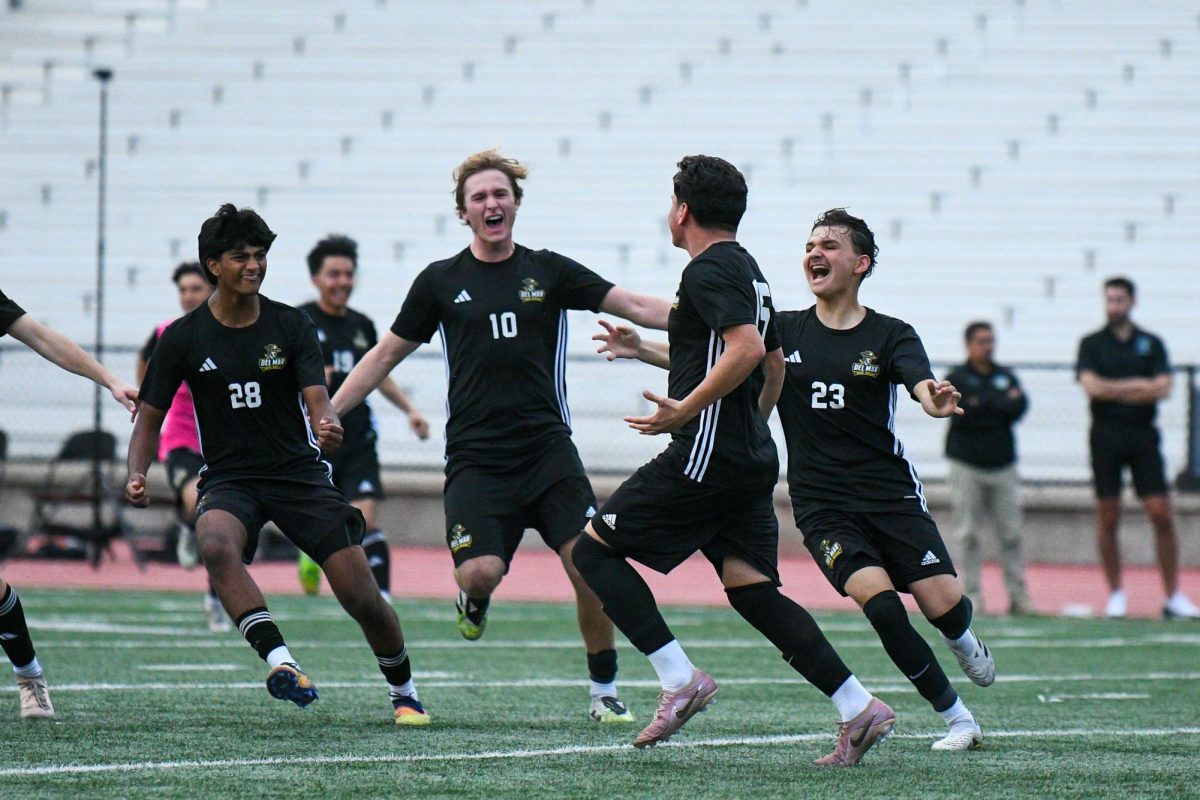
For senior Nico Collins, who transitions from football to soccer, the mental and physical shift can be just as challenging, but also rewarding.
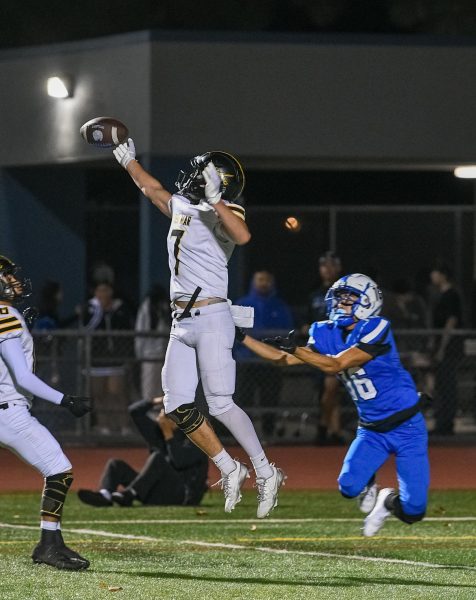
“Three days a week, on Tuesday, Wednesday, and Thursday, I have both soccer and football,” Collins said. “The biggest thing is just taking my time in football practice so I can end up well at soccer to prevent injuries.”
The two sports couldn’t be more different. “Football is way more strength, and soccer is just technique,” he said. “But I try my best to be a leader in both sports. I know more about soccer, so I think I’m more of a leader there.”
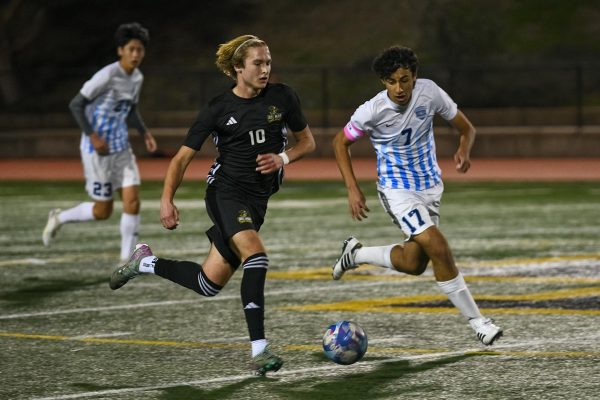
Collins also appreciates the variety that comes with playing two sports. “My favorite part is being able to experience two different teams with two groups of people,” he said. “It honestly created a lot of memories through the years. I’m not getting bored of one sport, I’m able to play both and have fun with it.”
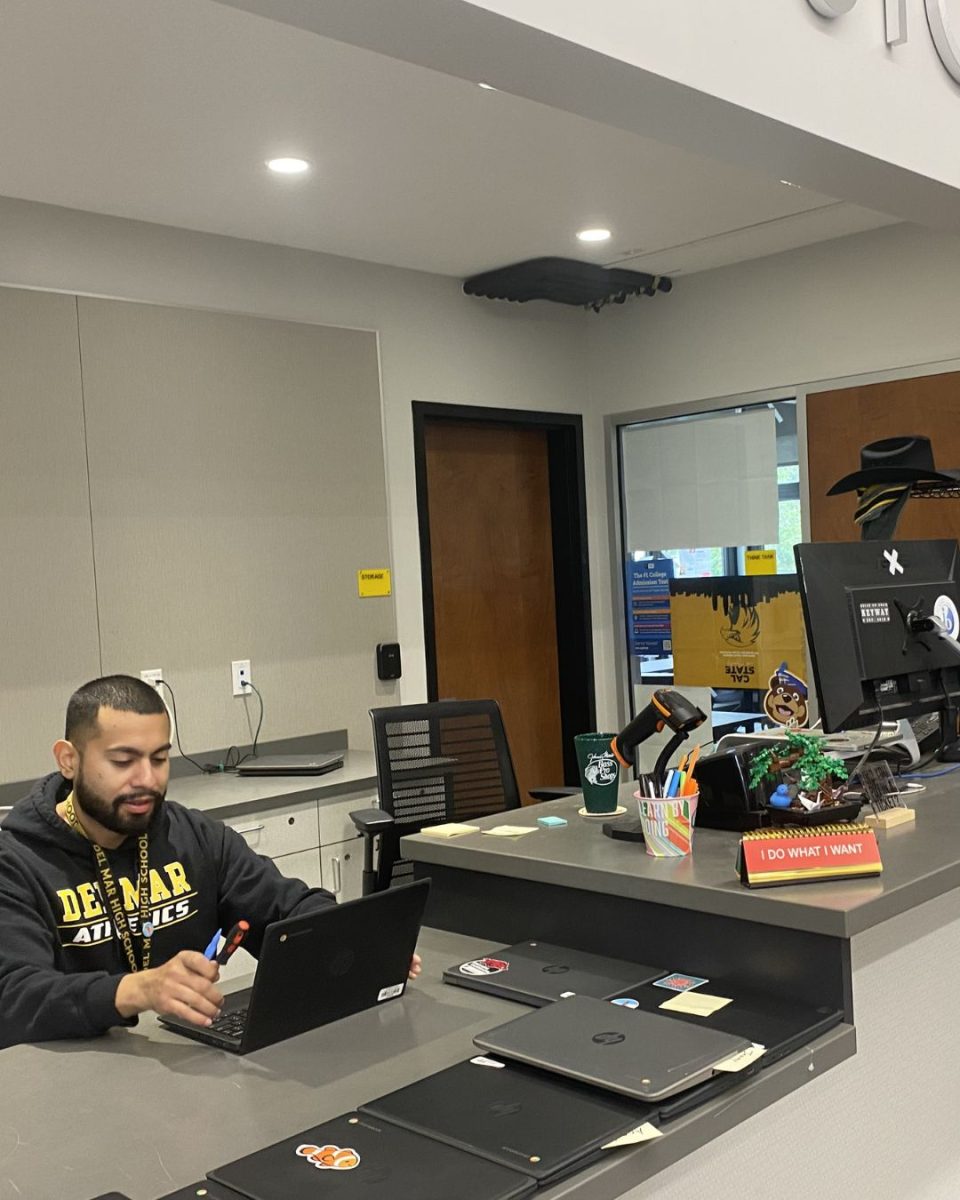
According to Del Mar athletic trainer Breya Carter, that kind of year-round commitment can take a toll on the body if athletes don’t focus on recovery.
“Honestly, not too much changes,” Carter said. “If anything, we’re trying to get them to recover from [fall] season and get ready for [winter] season. We mostly keep the same routine of maintaining where we’re at to get through the season.”
Carter notes that fatigue tends to build for athletes who rarely rest. “I definitely see more fatigue toward the end of the season, just because there are more games and more wear and tear on the body,” she said. “As far as injuries go, it’s more like overuse injuries, just from playing for so long.”
To help athletes stay healthy, Carter emphasizes rehab and recovery treatments such as cupping, massage, and scraping; methods designed to relieve tension and keep muscles working properly. “It might hurt while I’m doing it, but afterwards they feel great,” she said.
She also stresses the basics: hydration, nutrition and rest. “Not eating or hydrating is a big [issue],” Carter said. “Sometimes that can make them have symptoms that seem like an injury, and then they’re like, ‘Oh, I actually ate and hydrated, and now I feel great.’”
Both Japlit and Collins echo Carter’s advice about balance and mental breaks.
“Find time for a break somewhere in there,” Carter advised. “Even if it’s just that small week between seasons, use it. Mentally and physically prepare yourself to go into a whole different sport.”
Japlit agrees that mindset and support go a long way. “Mostly my friends keep me motivated,” she said. “I’ve been playing both sports all four years and I just want to finish my high school years with them.”
Collins adds that his coaches and teammates have helped him handle the grind. “My soccer coach has helped me stay in the right mindset and my football coaches push me to be better,” he said. “They also respect that I play soccer, which has helped me in both sports.”
Balancing multiple sports hasn’t been easy, between practices, late night homework and competing priorities, but Japlit and Collins agree it’s worth it.
“It’s really taught me to manage my time efficiently and to communicate better with my teammates, coaches and teachers,” Japlit said.
As winter sports begin and gym lights replace stadium lights, athletes like Japlit continue to embody what it means to be a Don: dedicated, balanced and passionate, no matter the season.